Reducing Alert Fatigue with Intelligent Cloud Monitoring: Smarter Observability for Modern Enterprises
How our team helped a client minimize alert fatigue, improve system visibility, and enhance performance using intelligent cloud monitoring solutions.
Digital team
Devopstrio Managed Services

Reducing Alert Fatigue: Intelligent Cloud Monitoring in Action
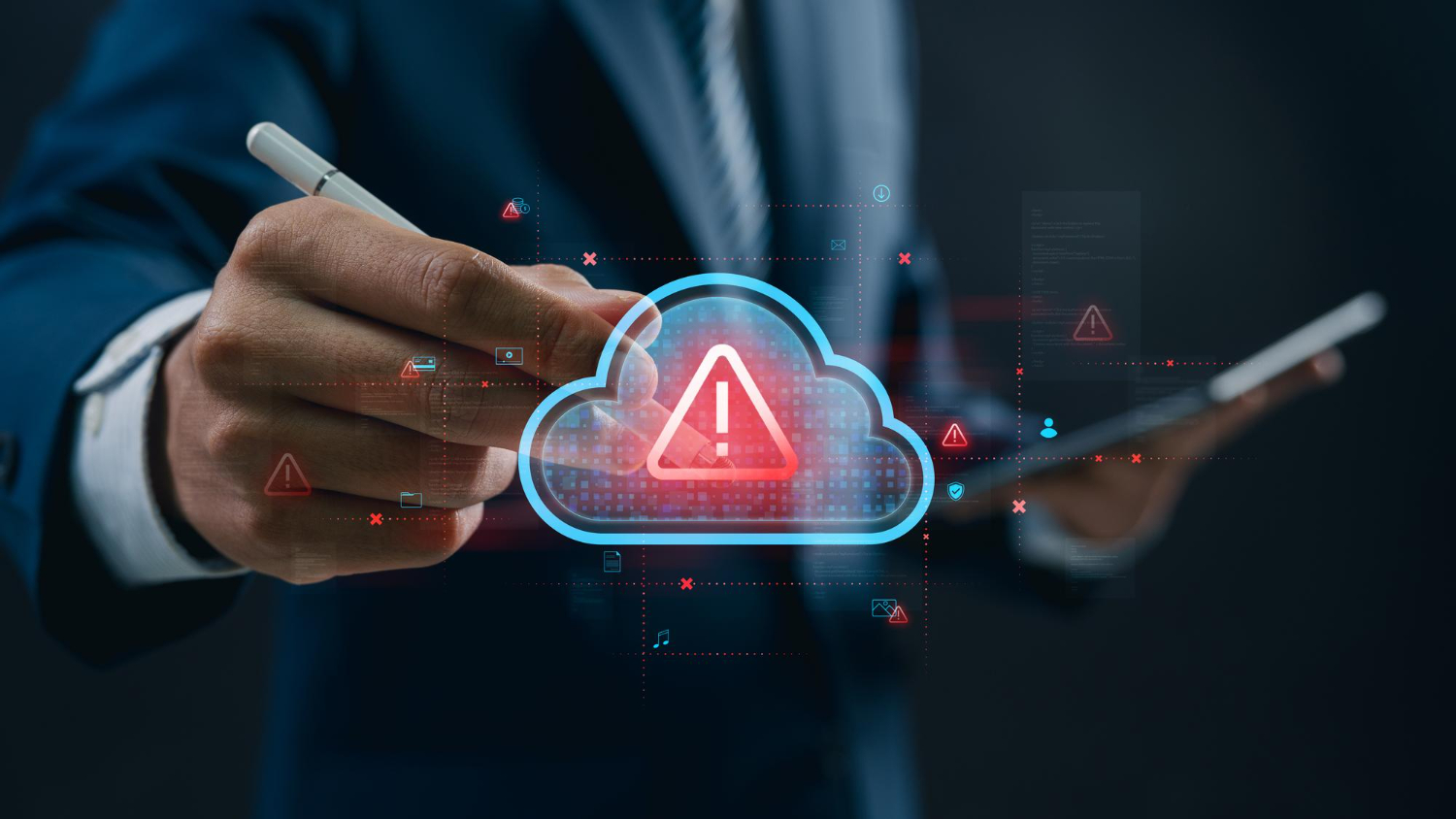
A leading enterprise operating in a complex cloud environment was struggling with overwhelming alert volumes, limited visibility, and delayed incident response. By implementing an intelligent, AI-driven cloud monitoring strategy, the organization transformed its operations reducing alert fatigue, improving system reliability, and accelerating response times
The Challenge: When More Alerts Mean Less Visibility
As the organization scaled its cloud infrastructure, its monitoring systems generated thousands of alerts across applications, infrastructure, and services. Instead of improving visibility, this created noise and confusion Key Challenges Faced:
1.Alert Overload and Noise
Monitoring tools generated excessive alerts, many of which were low-priority or redundant. This created a high-noise environment where critical alerts were often buried, making it difficult for teams to quickly identify and act on real incidents. As alert volumes grew, operational clarity significantly decreased.
2. High False Positives
A large percentage of alerts did not require action, leading to wasted time and reduced trust in the monitoring system. Over time, teams began to ignore or deprioritize alerts, increasing the risk of missing genuine issues that required immediate attention.
4.Slow Incident Response Times
Due to alert fatigue and unclear prioritization, incident response was delayed, impacting system uptime and user experience. Delayed responses not only affected service availability but also increased the potential for cascading failures across interconnected systems.
The Shift: Moving to Intelligent Cloud Monitoring
To overcome these challenges, the organization transitioned from traditional monitoring to an intelligent, automated monitoring approach. This shift focused on:
- From reactive → proactive monitoring
- From alert-heavy → insight-driven systems
- From manual triaging → automated prioritization
- From siloed tools → unified observability

The Solution: AI-Driven Monitoring and Automation
The company implemented a modern cloud monitoring framework powered by automation and machine learning. Key Solution Components
1. Alert Correlation and Noise Reduction
Advanced algorithms grouped related alerts into single incidents, significantly reducing noise and improving clarity. This enabled teams to focus on meaningful events rather than being overwhelmed by duplicate or irrelevant notifications.
2. Intelligent Alert Prioritization
AI models analyzed historical patterns to prioritize alerts based on severity and business impact. This ensured that high-risk incidents were addressed first, improving response efficiency and reducing downtime.
3. Automated Incident Response
Runbooks and automation workflows were implemented to resolve common issues without manual intervention. intervention. By automating repetitive tasks, the organization reduced response times and minimized the need for constant human oversight.
4. Unified Observability Platform
Logs, metrics, and traces were integrated into a centralized platform, providing end-to-end system visibility. This holistic view allowed teams to quickly identify root causes and make informed decisions with greater confidence.
Results: Measurable Business Impact
After implementing intelligent cloud monitoring, the organization achieved significant improvements:
- 60–70% reduction in alert noise
- Faster incident detection and resolution (MTTR reduced by ~50%)
- Improved system uptime and reliability
- Enhanced team productivity and reduced operational overhead
- Increased trust in monitoring systems and alerts
Conclusion
Alert fatigue is a critical challenge in modern cloud environments but it is solvable. By shifting to intelligent cloud monitoring, organizations can move from reactive firefighting to proactive operations. This case demonstrates that with the right combination of automation, AI-driven insights, and best practices, businesses can significantly reduce alert noise, improve system visibility, and empower teams to focus on what truly matters delivering reliable and high-performing digital experiences.
Written by Digital team
Devopstrio Managed Services Practice. Continuous Senior-Level Technology Stewardship, 24/7/365 follow-the-sun cloud infrastructure management, SRE governance, and cybersecurity operations.
Where tech leaders
gather.
Insights & live
engineering briefings.
Subscribe to get
exclusive intelligence
and engineering white papers.
Related Publications
View More in Client Transformations →
From Backup to Business Resilience: How Devopstrio Modernizes Cloud Recovery Strategies
Discover how Devopstrio helps organizations modernize cloud backup and disaster recovery to improve data protection, recovery readiness, operational continuity, and cost efficiency.

From Manual Workflows to Intelligent Operations: How Devopstrio Scales Power Platform Automation
Building smarter workflows that eliminate repetitive tasks and enable teams to focus on higher-value work.

Azure Under Control: How Devopstrio Turns Complex Cloud Estates into Governed Platforms
Discover how Devopstrio helps organizations transform complex and difficult-to-manage Azure environments into governed, secure, optimized, and scalable cloud platforms through structured administration, governance, monitoring, and continuous optimization.
Turn These Engineering Insights Into Operational Reality.
Collaborate with Devopstrio principal architects to implement resilient infrastructure patterns, automated deployments, and 24/7 managed support.