How JioCinema & JioHotstar Handle 30–55 Million Peak IPL Viewers Without Lag A Modern Cloud Computing Breakdown
The Indian Premier League (IPL) has become one of the biggest stress‑tests for OTT platforms. During peak rivalry matches, JioCinema and JioHotstar ha...
Digital Team
Devopstrio Managed Services

The Indian Premier League (IPL) has become one of the biggest stress‑tests for OTT platforms. During peak rivalry matches, JioCinema and JioHotstar have managed to stream to 30–55 million concurrent viewers at the same time without lag, glitches, or buffering. Real data confirms this scale:
- PL 2025 Final reached 55 million concurrent viewers on JioHotstar (JioStar).
- The opening matches of IPL 2025 also saw 3.4 crore (34 million) peak concurrency.
This is one of the largest live‑streaming loads on Earth. So how is this even possible in today’s cloud computing world?
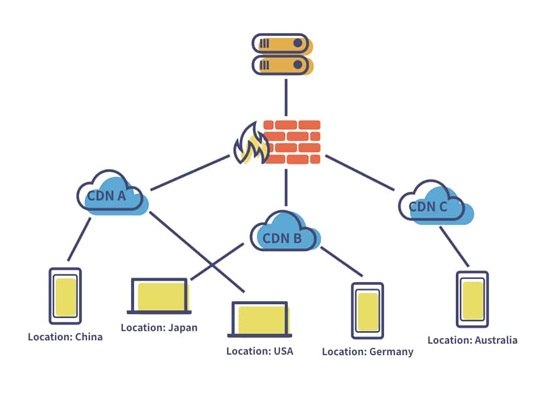
1. Multi‑CDN (Content Delivery Network) Architecture
To serve millions of concurrent users, platforms don’t rely on one CDN. They use multiple CDNs simultaneously, such as:
- Akamai
- CloudFront
- Cloudflare
- Jio’s own edge CDN
- Regional ISP caching nodes
Why this matters:
CDNs push video segments closer to users, reducing:
- Latency
- Network congestion
- Server load
Even if one CDN slows down, traffic instantly shifts to another. This is the backbone of “no buffering” at massive scale.
2. Massive Horizontal Auto‑Scaling on Cloud
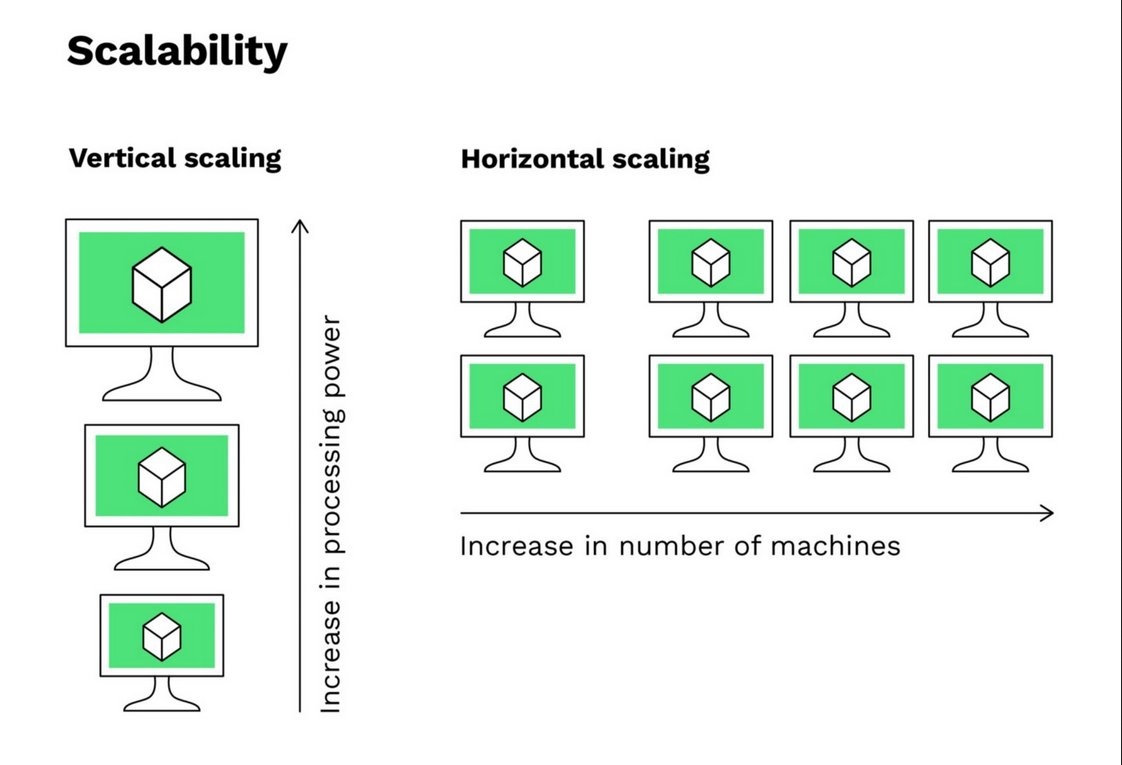
Scale‑out (horizontal scaling):
Thousands of micro‑services automatically spin up during peak IPL demand.
Auto‑healing:
If any node crashes, a new one instantly takes its place.
Hot‑standby clusters:
Backup capacity is always available for sudden spikes (like an MS Dhoni last‑over finish).
This ensures smooth delivery even when traffic jumps from 5 million to 50 million in minutes.
3. Microservices + Containerized Streaming Pipeline
JioCinema and JioHotstar run their architecture using:
- Kubernetes (K8s) clusters
- Docker containers
- Service mesh for load routing
Service mesh for load routing
- ingestion
- encoding
- packaging
- authentication
- ads
- analytics
- chat & fan interaction modules
If one microservice struggles, it scales independently without affecting the entire system. This is why millions can join instantly without the site crashing.
4. Adaptive Bitrate Streaming (ABR)
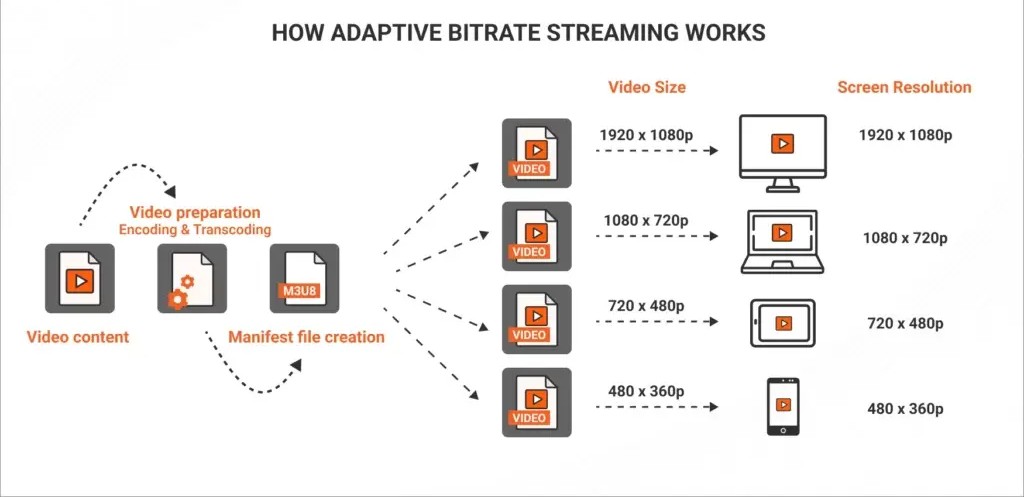
ABR ensures that every user receives the best possible quality for their network condition:
- Users with fiber + Smart TV get 4K HDR
- Users with weak mobile data get 480p or 360p
- Switch happens dynamically, without stopping the video
This reduces bandwidth pressure and prevents buffering storms.
5. Distributed Video Encoding & Edge Transcoding
Instead of encoding everything at one location, encoding is distributed across:
- Cloud data centers
- On‑prem clusters
- Edge nodes
This avoids bottlenecks. Edge transcoding allows last‑mile ISPs to serve cached video chunks instantly.
6. Segment-Based Video Delivery
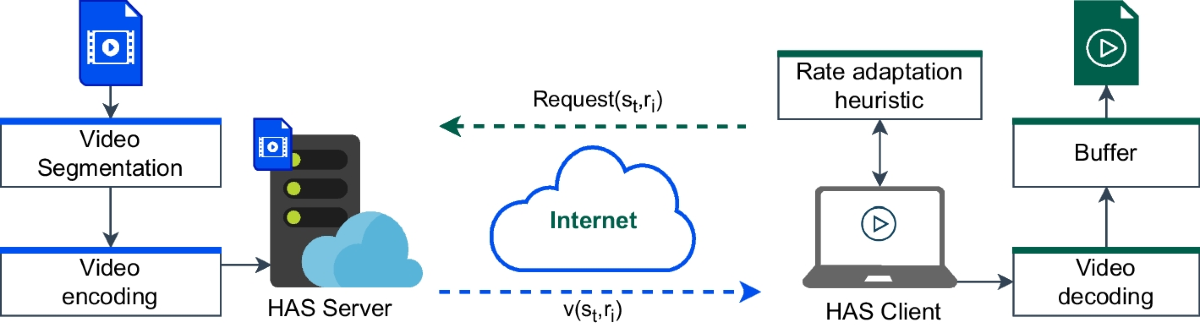
Live streams are split into tiny 2–4 second HLS/DASH segments, allowing:
- Fast delivery
- Parallel caching
- Easy failover
Even if one chunk fails, the player fetches it from another CDN instantly.
7. AI-Based Traffic Prediction
With years of IPL patterns, platforms use AI/ML to predict:
- Viewer surge times
- Geography-based load
- Device-type distribution
- Language preference (12+ feeds)
- Demand for 4K vs HD
This helps pre‑warm CDNs, auto‑scale servers, and route traffic efficiently.
8. Private Peering With ISPs
Jio, Airtel, ACT, BSNL and others have private peering with the OTT platforms. This dramatically reduces:
- Hop count
- Packet loss
- Buffering issues
70–80% of traffic stays within India’s internet exchange ecosystem rather than crossing continents.
9. Hybrid Cloud + On-Prem Streaming Infrastructure
To avoid cloud‑only bottlenecks, large OTT players use a mix of:
- Public cloud (AWS/GCP/Azure)
- Private telco clouds
- Jio’s own data centers
- Partner telco infrastructure
This hybrid model ensures stability even during country‑wide traffic spikes.
Conclusion
“ Handling 30–55 million concurrent viewers is not magic it is the result of multi‑CDN delivery, microservices architecture, hybrid‑cloud scaling, AI‑powered traffic management, and distributed video caching. Modern cloud computing makes it possible for platforms like JioCinema and JioHotstar to deliver lag‑free IPL experiences at a scale never seen before in digital streaming history. ”
We help businesses build systems that don’t break under pressure.
From cloud architecture to scalable Devops pipelines we design for performance, resilience, and growth.
👉 Let’s build systems that scale like IPL.
📩 info@devopstrioglobal.com

Written by Digital Team
Devopstrio Managed Services Practice. Continuous Senior-Level Technology Stewardship, 24/7/365 follow-the-sun cloud infrastructure management, SRE governance, and cybersecurity operations.
Where tech leaders
gather.
Insights & live
engineering briefings.
Subscribe to get
exclusive intelligence
and engineering white papers.
Turn These Engineering Insights Into Operational Reality.
Collaborate with Devopstrio principal architects to implement resilient infrastructure patterns, automated deployments, and 24/7 managed support.